

Act Like You Know: A Podcast Preview and Talkback on Black Folks, Pop Culture, and Politics
Act Like You Know is a podcast preview and talk-back event that centers the technical and professional communication value of Black cultural and rhetorical practices. Featuring Dapper Dan Midas (aka DDm), who hosts the Secretary of Shade YouTube channel, the event will screen excerpts from the first episode of the Act Like You Know podcast, followed by a talk-back style panel discussion. Together, we’ll explore the use of Black and queer cultural knowledge and language practices to communicate and translate complex social and political commentary. The event’s goal is to spark a dialogue about language, expertise, and ethos among folks within and outside the academy and to prompt us all to consider the cultural, rhetorical, and linguistic skills that Black (and other marginalized) writers and communicators bring to the task of making complex and specialized knowledge more legible, accessible, and ultimately more useful.
October 24, 2024 Tawes Hall, Room 1121 Ulrich Recital Hall 5-7pm, followed by a light reception
Hosted by the Frederick Douglass Center for Leadership through the Humanities
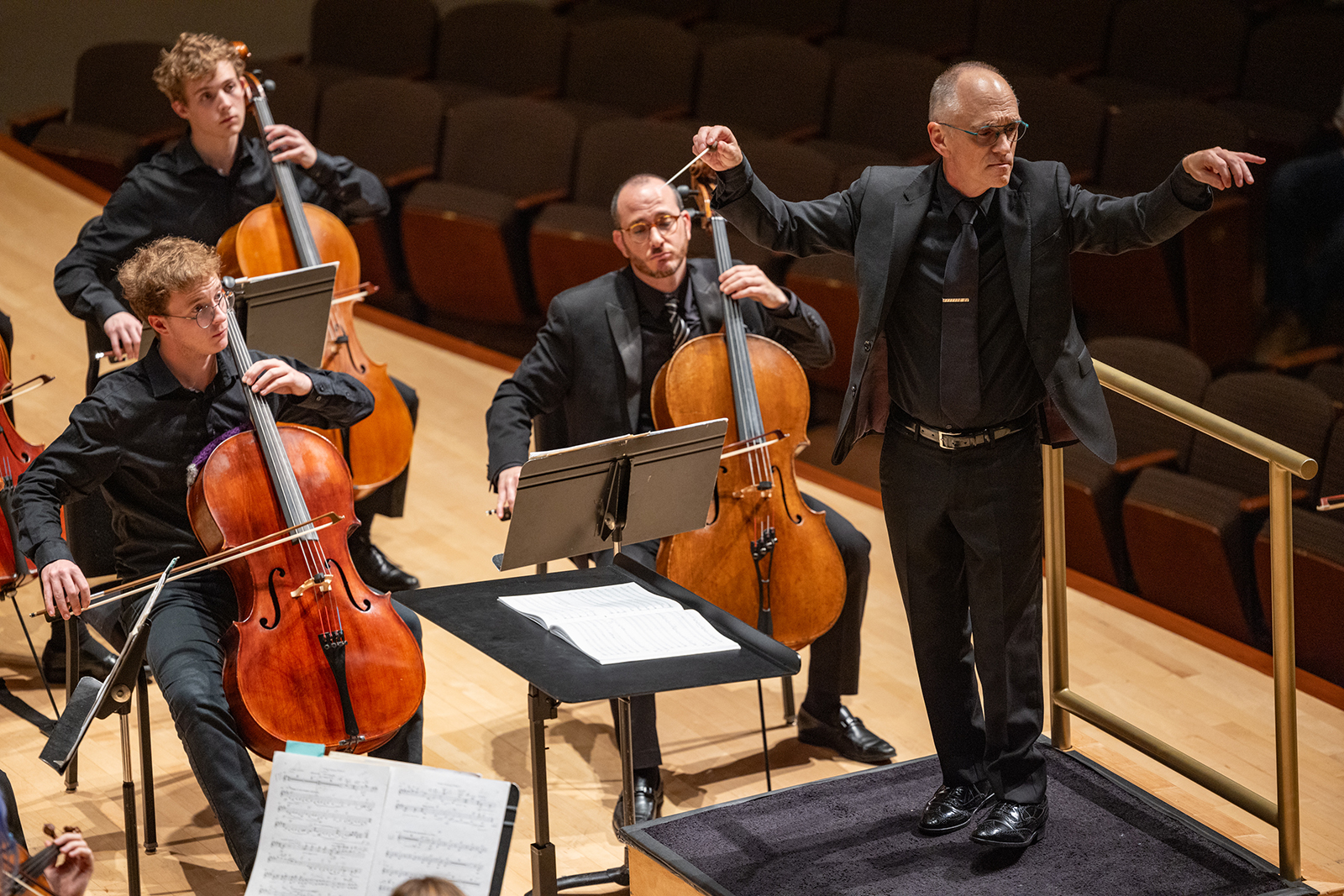 The UMD Symphony Orchestra opens its 2024-25 season with William Grant Still’s Symphony No. 1, “Afro-American,” the first symphony composed by an African American to be performed by a major orchestra when it premiered in 1931. This remarkable piece is a love letter to blues and Black culture, showcasing Still’s vision to elevate the blues, which he felt was often considered a "lowly" expression, to the highest musical level. By masterfully integrating blues progressions and rhythms with traditional symphonic forms, Still created a symphony that resonates with profound emotion and cultural significance.
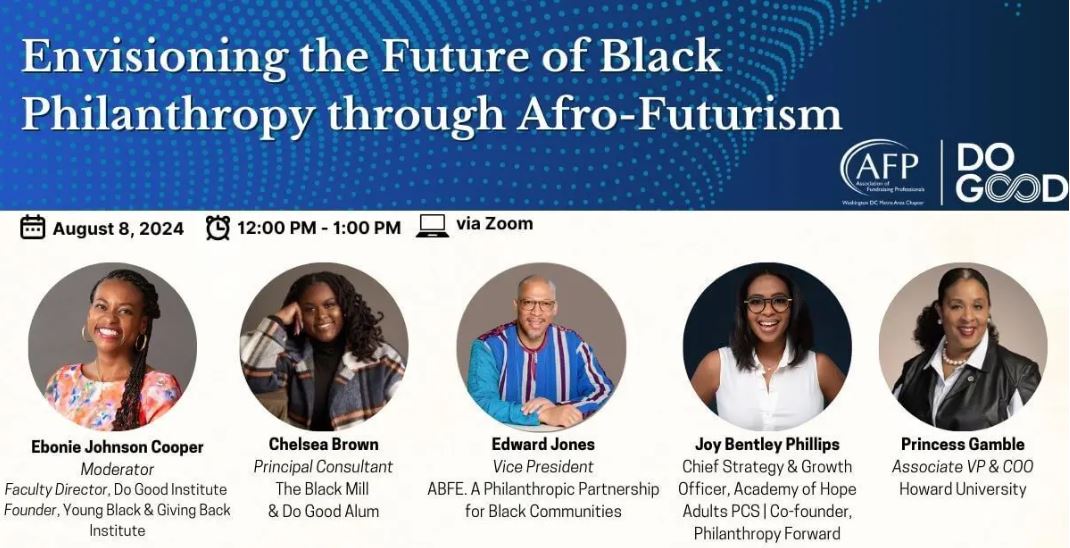 The University Maryland’s Do Good Institute and the Association of Fundraising Professionals (DC Chapter) will host Envisioning the Future of Black Philanthropy through Afro-Futurism on Thursday, August 8 at 12PM.
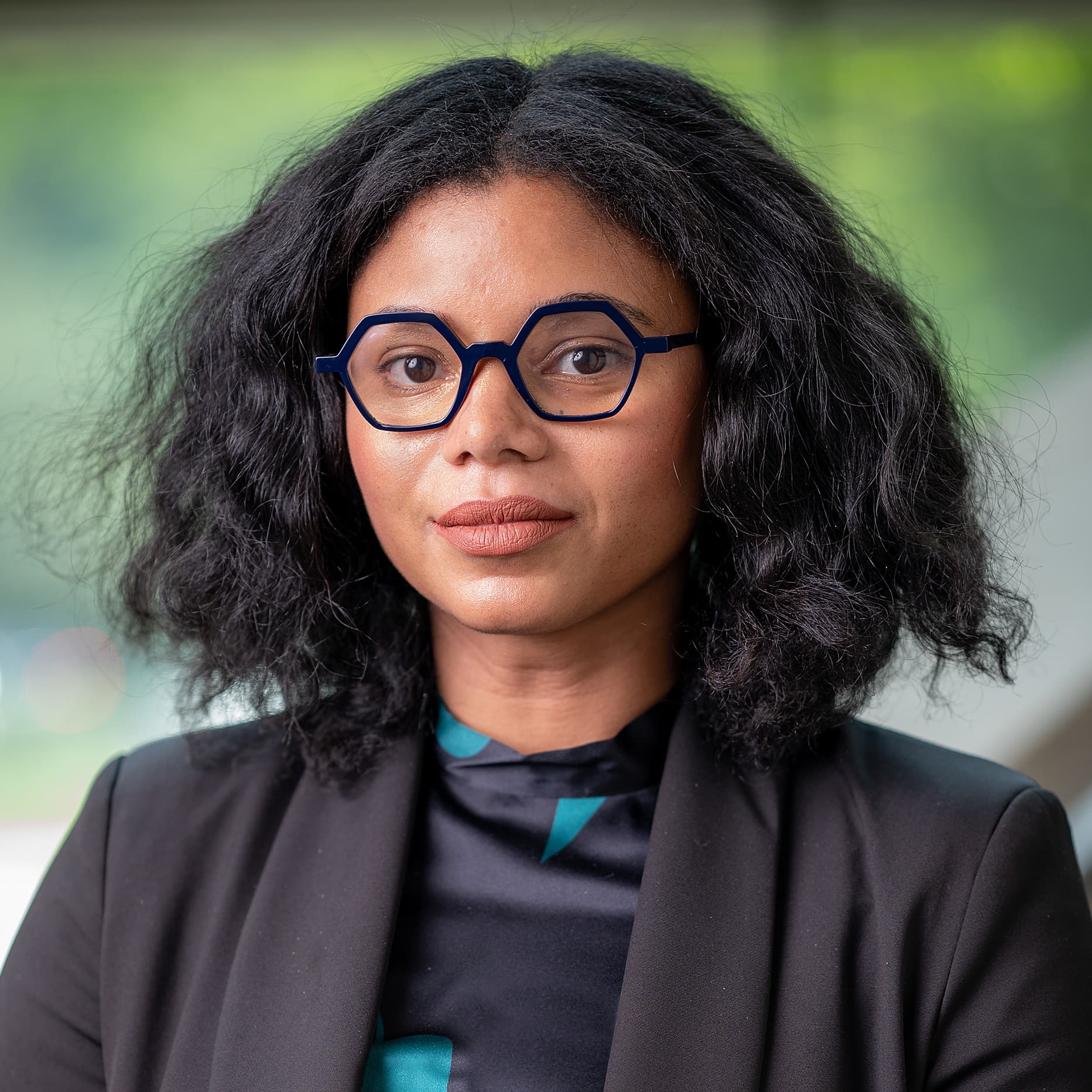 Join the Graduate Art History Association (GAHA) and The David C. Driskell Center for a lecture by Jessica Bell Brown, Curator and Department Head for Contemporary Art at the Baltimore Museum of Art. 4 pm tea, 5 pm lecture.
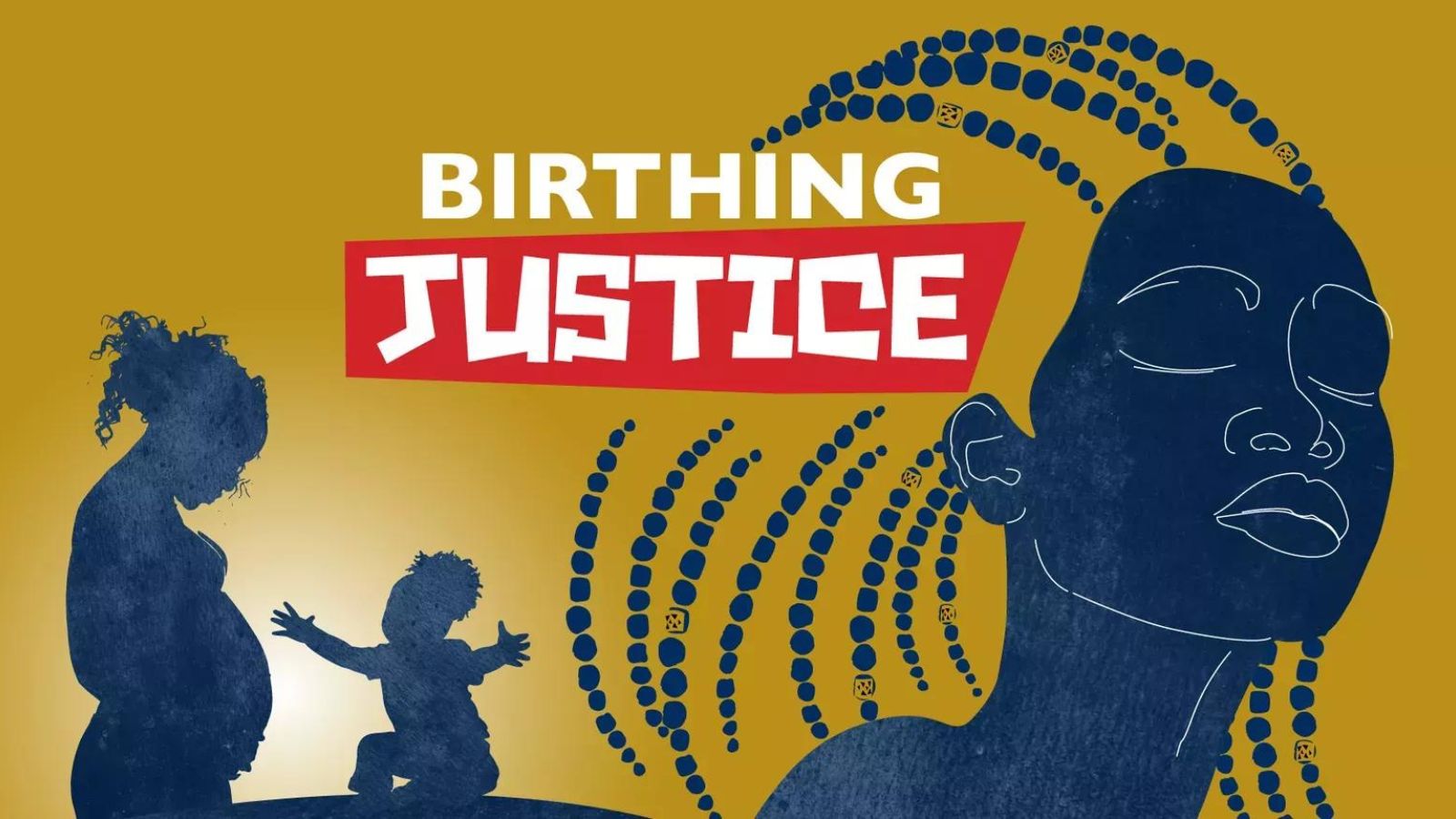 The University of Maryland College of Arts and Humanities and School of Public Health co-host a screening of "Birthing Justice," a feature-length documentary discussing the issues fueling the maternal health crisis within the African American community and advocating for best practices to enhance birthing equity for all women, especially Black women.
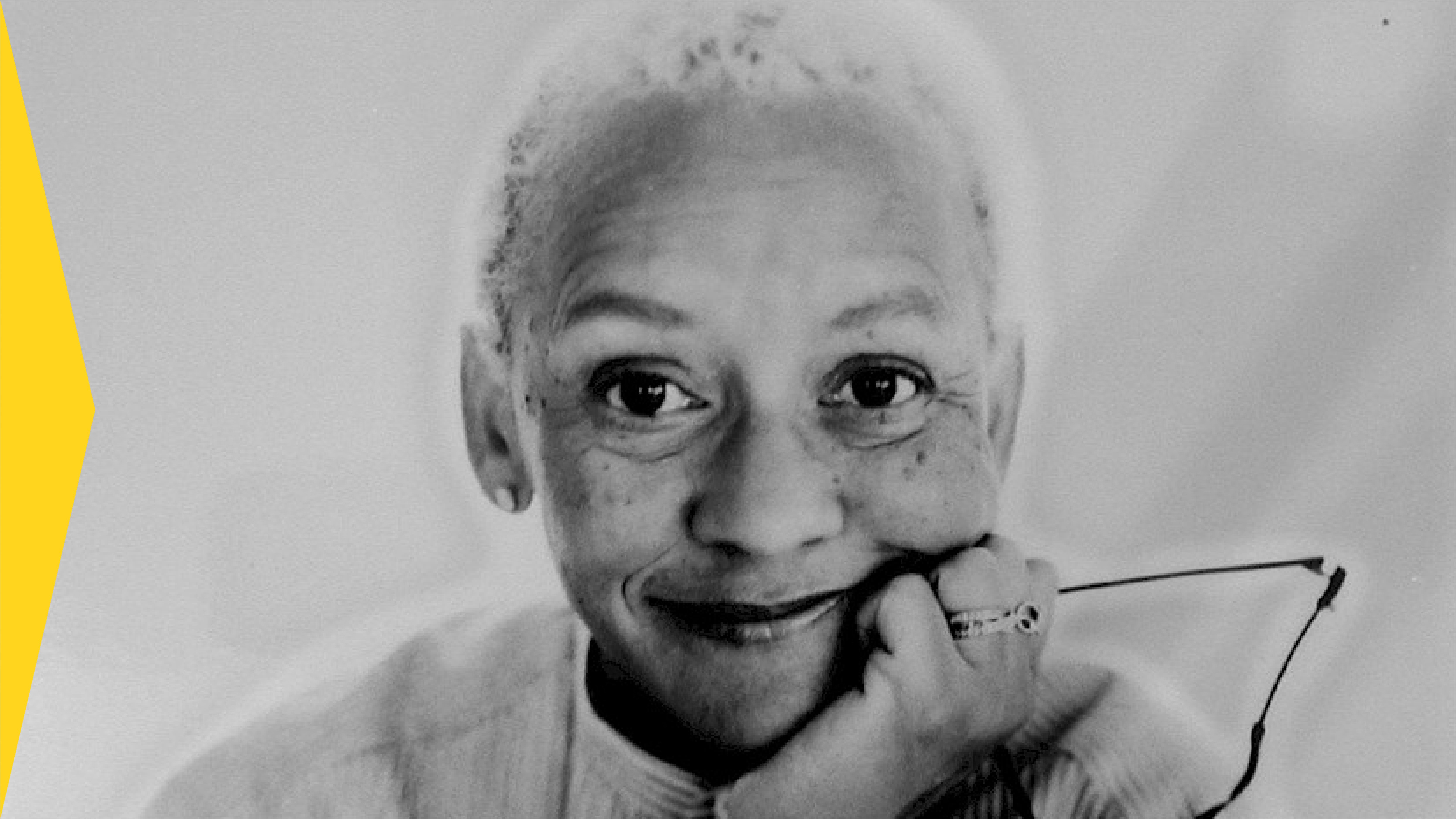 Join us on Wednesday, April 24th as we inaugurate the new Frederick Douglass Center for Leadership Through the Humanities, a hub for humanities scholarship and programming that engages the public and works towards social justice and equity, with a special event featuring world-renowned poet, educator and activist Nikki Giovanni. Her work exploring race, gender, sexuality and the African American family has inspired generations to fight for change. Giovanni will chat with ARHU Associate Dean GerShun Avilez, who leads the Douglass Center, and ARHU Dean Stephanie Shonekan, as well as answer audience questions. A reception will follow.
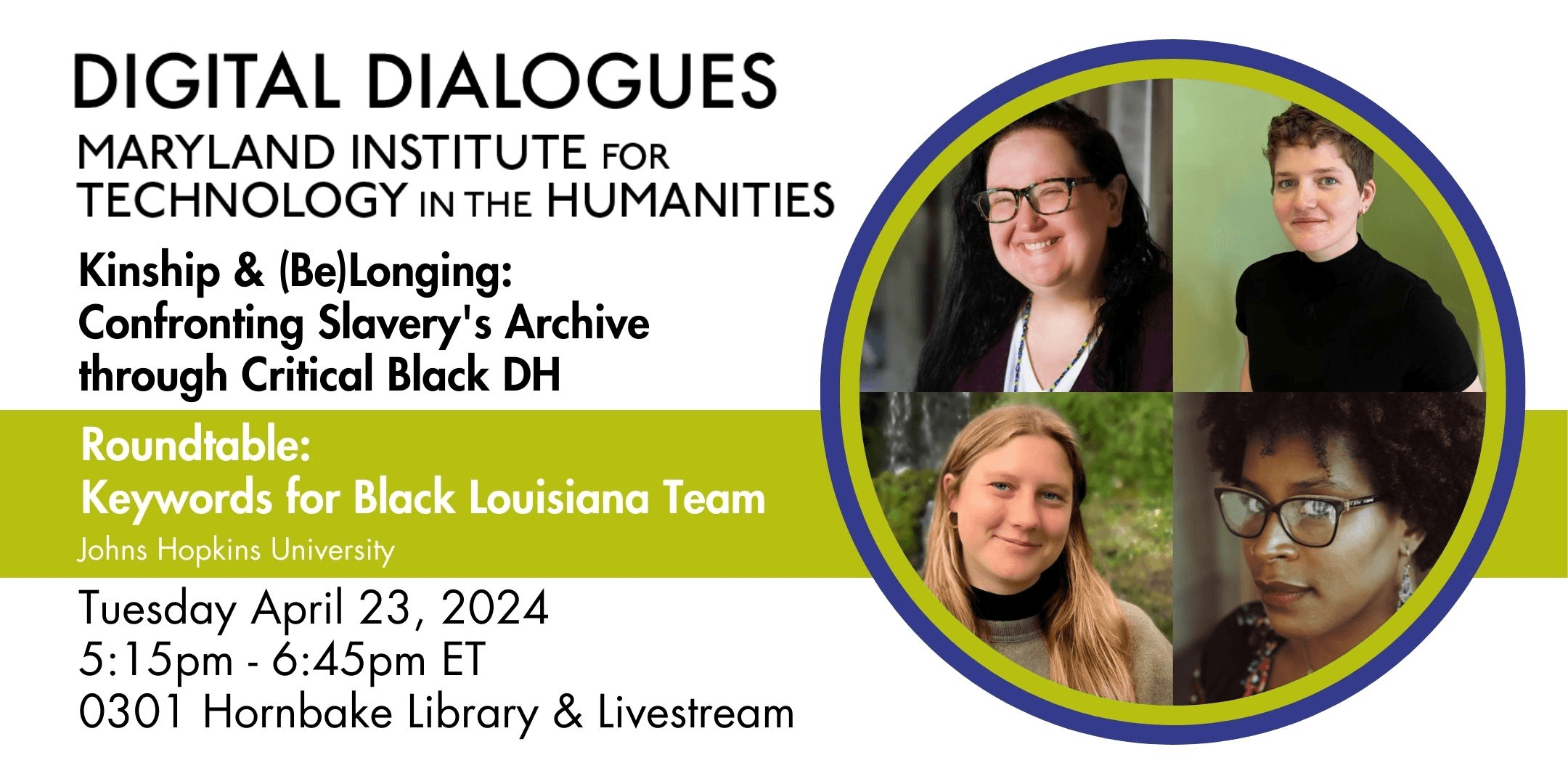 In this presentation, we will share our experience working with Scholarly Editing to create a digital edition of fourteen stories centering Black and Black-Native life and humanity, which are derived from Louisiana's colonial archive.
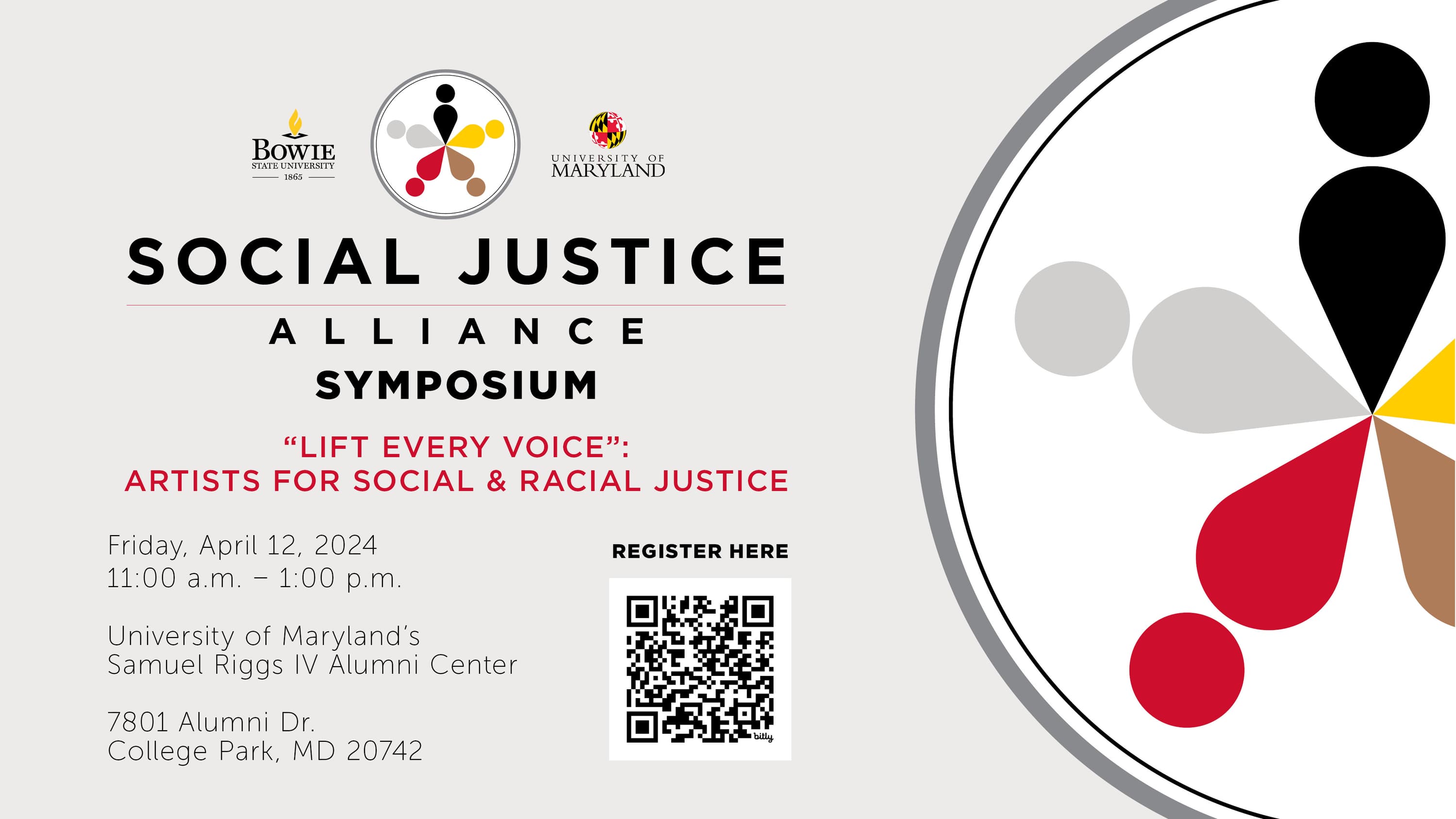 Join the BSU-UMD Social Justice Alliance and 2nd Lt. Richard W. Collins III Foundation for the 6th Annual SJA Symposium titled: "Lift Every Voice:'' Artists for Social and Racial Justice on Friday, April 12th from 11:00am to 1:00pm. Hear from University President's, the Collins' family, members of the Social Justice Alliance and symposium panelists: Amanda Seales, Keisha Knight Pulliam, Nikkolas Smith, Laura Coates and Leon Timbo as they explore the intersections of anti-Black racism, social justice, entertainment and art.
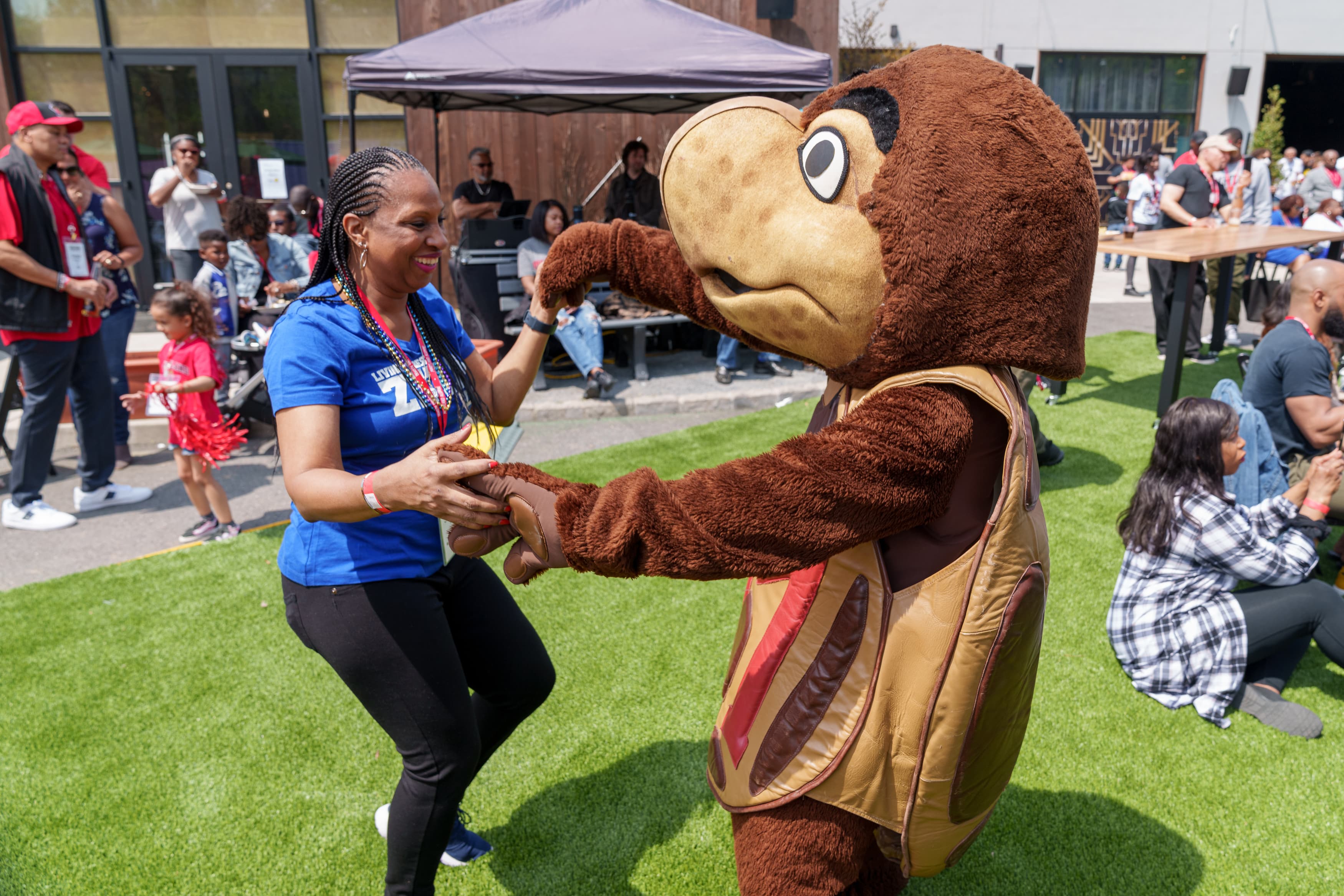 Join the University of Maryland as we welcome alums back to College Park to celebrate with friends, reconnect with fellow classmates and celebrate Terp pride!
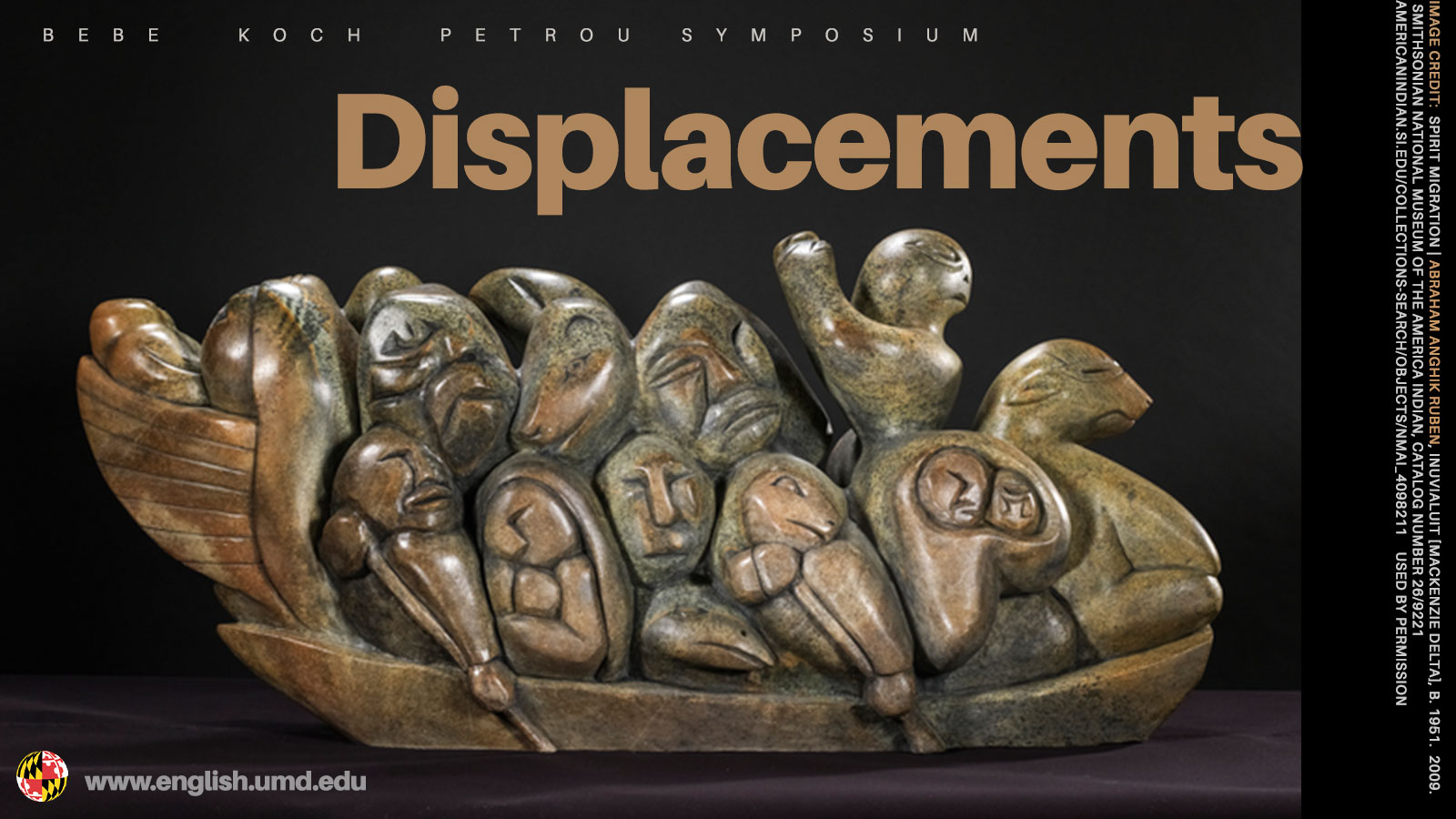 The 2024 Bebe Koch Petrou Displacements Symposium, hosted by the Center for Literary and Comparative Studies in the Department of English, features speakers and workshops focusing on the theme of displacements.
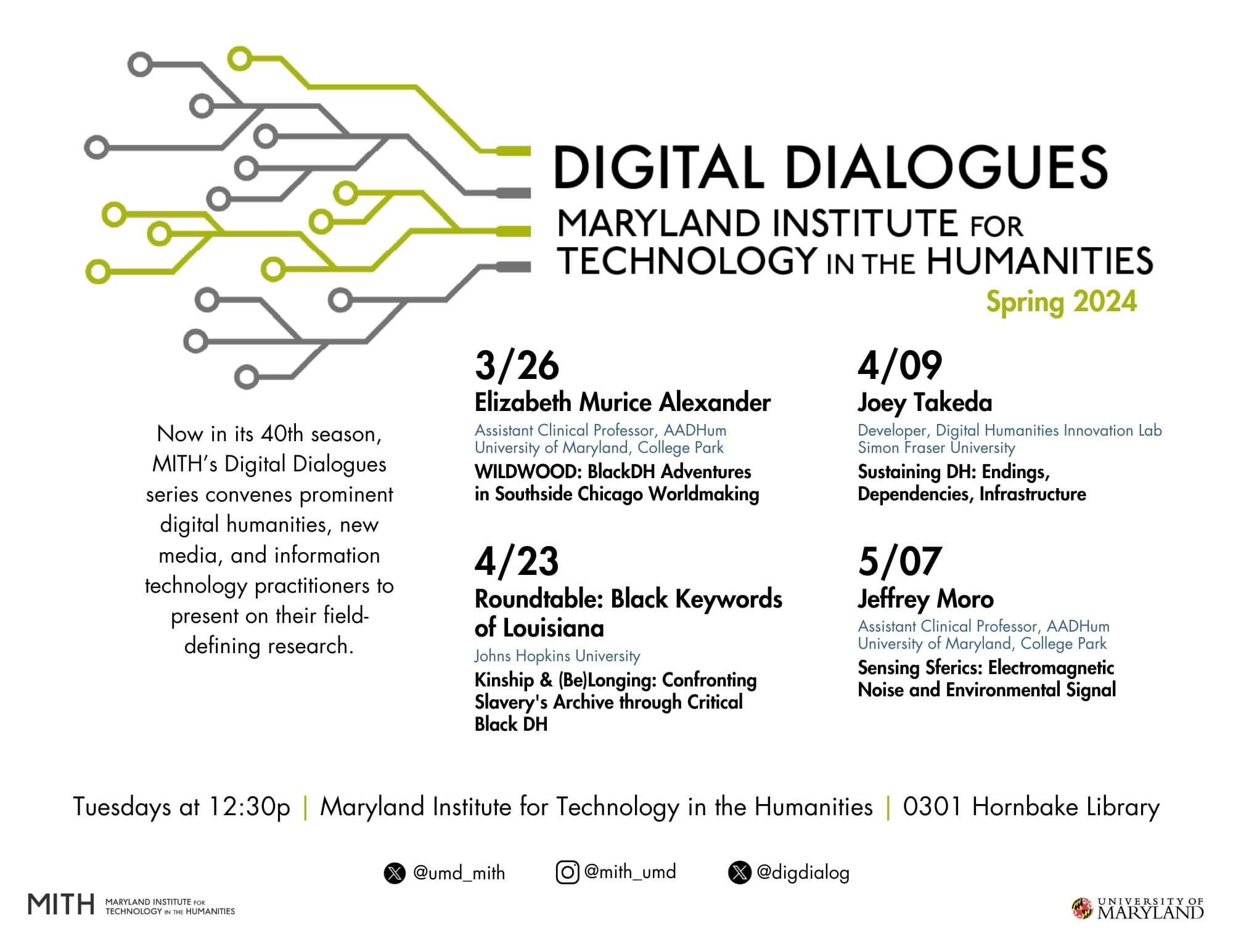 Join us Tuesday March 26 at 12:30pm for WILDWOOD: BlackDH Adventures in Southside Chicago Worldmaking, a lecture featuring Elizabeth Murice Alexander.