UMD Researchers Help Kenya Build Its Agricultural Data Infrastructure

Combined $7.4M from Gates Foundation and Microsoft AI for Good Lab support a push for fresh data for farmers.

Combined $7.4M from Gates Foundation and Microsoft AI for Good Lab support a push for fresh data for farmers.
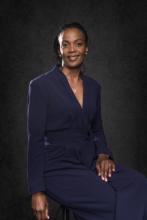
Nakalembe discusses the promise and limitations of AI-powered forecasting and the need to turn better predictions into meaningful action.
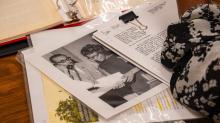
UMD grad discovers draft of MLK’s ‘Letter From Birmingham Jail’
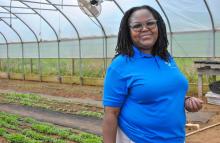
Growing Nonprofit Cultivates, Gives Away Indigenous Vegetables Across Maryland and D.C.
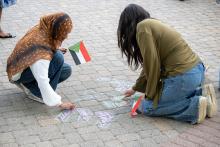
Lena Elamin fought back tears on Wednesday evening as she spoke to more than 30 University of Maryland community members who attended the Sudanese Student Organization’s vigil for Sudan at Hornbake Plaza.
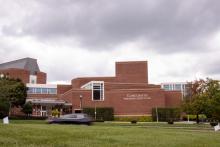
The Dance Theatre at The Clarice Smith Performing Arts Center was packed on Friday night for a screening and discussion of the documentary Things We Imagined.
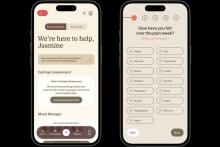
In summer 2024, Department of Psychology Assistant Professor Henry Willis set out to create a free mental health mobile app for Black youths—in collaboration with them. That app, PHNX Mind, is now available for download on the App Store and Google Play.
Read the full article here.
This year is the 100th anniversary of the celebration, which the historian Carter Woodson started as “Negro History Week” in February 1926 to honor the accomplishments of Black Americans, resisting the societal pressures of the Jim Crow era. In 1976, the now-Association for the Study of African American Life and History declared February as Black History Month.
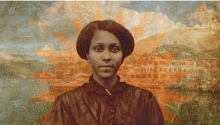
For decades, the story of Malcolm X has been told and retold. But the story of the woman who shaped him has remained largely in the margins.
In her novel “Ocean Stirrings,” Professor Emerita Merle Collins centers on Louise Little, a Grenadian-born activist, community organizer and the mother of Malcolm X. The award-winning 2023 novel reconstructs Little’s world across colonial Grenada, migration and racial terror in North America.
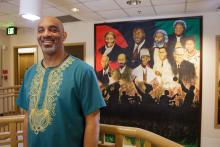
American Studies Professor Psyche Williams-Forson leads the center as it celebrates its 55th year.